A Sacred Cry: Why Lament is More Than Just Complaining
In the West, we’ve perfected the art of positive thinking—and in the process, we’ve practically lost the sacred practice of lament.
Lament: A Sacred Form of Worship
Lament is often mistaken for simple moaning or complaining, or a sign of spiritual weakness. But it’s profoundly different. Lament is the ancient, Biblical language for bringing our raw, honest, and painful reality directly into the presence of God. It is a form of worship because it shows God that we trust Him enough to bring our biggest, most difficult questions and feelings to Him, rather than pulling away from Him in silence.
- It’s not denying the good: Lament doesn’t erase the gratitude we hold; it simply creates space for the pain to exist alongside it.
- It’s not denying the hard: It is a radical refusal to minimise or gloss over our suffering. It gives voice to the injustice, the fear, and the grief that is real in our lives.
A Pathway Through Suffering
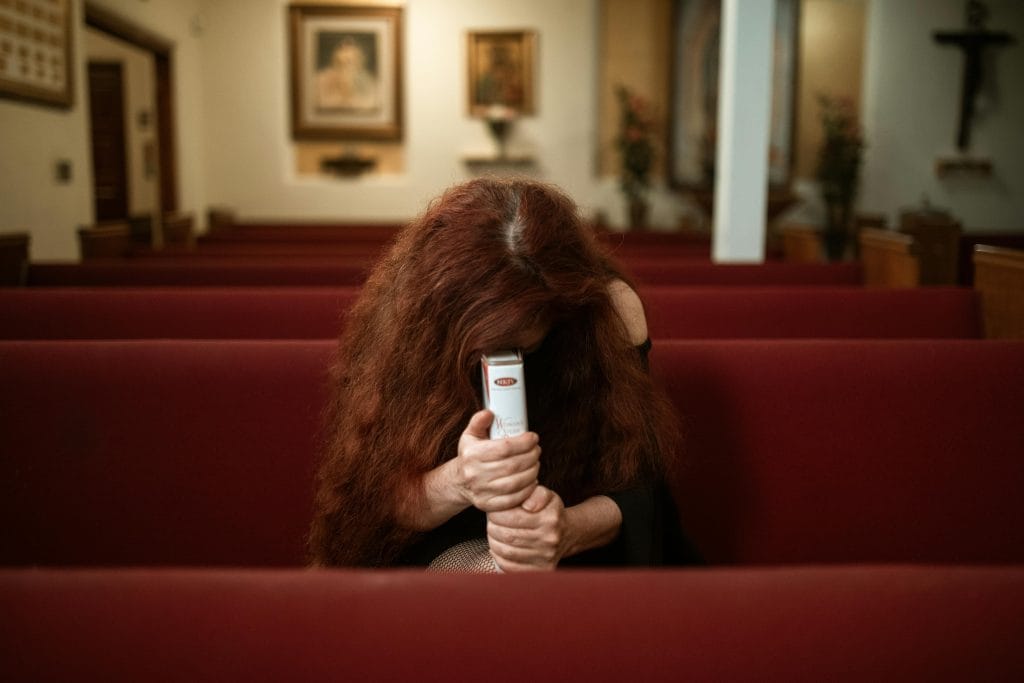
Lament is vital because it is the bridge between despair and hope. When we lament, we avoid the false choice between bottling up our pain (leading to bitterness, sickness, and even death) or walking away from our faith in God (leading to hopelessness).
It validates our pain by acknowledging that things are genuinely not right in the world, while holding on to the truth that God is still in control. It provides a structured, faith-filled pathway through suffering, not around it, ultimately leading back to release, peace, and a deeper trust in God.
Why Are Some Cultures Not Good at It?
Some cultures struggle with lament because it contradicts our cultural emphasis on immediate happiness and self-reliance. Maybe they have been conditioned to believe that maturity means stoicism, and that faith means perpetual cheerfulness. This creates a cultural vacuum where genuine grief and pain are often met with awkward silence, cliché answers and a desperate need to ‘fix’ as quickly as possible and return back to being ‘ok’. When we suppress lament, we deny ourselves—and others—the chance to experience the full, honest scope of human emotion and experience, and the full extent of God’s capacity to meet us there.
Biblical Examples
Ancient, Middle Eastern cultures were experts at expressing their songs of lament, and we can find many examples of their songs in the Bible. There are 5 songs in the book of Lamentations, Job is full of Lament, as is the book of Jeremiah, Habakkuk and the Psalms. In fact, the ‘Psalms of Lament’ are the largest single group of Psalms, with many typically including these five elements, following this pattern:
- Address God (Invocation)
- Express all of the difficult things you witnessed or experienced (Complaint/Lament)
- What was the worst part? (Petition/Plea)
- But…However…Even though…Despite this… (Statement of Trust/Confidence)
- Address God again (Vow of Praise or Conclusion)
Here’s an example from Psalm 13:
| Address God | “How long, O Lord? Will you forget me forever? How long will you hide your face from me?” (v. 1) |
| Express the hard things | “How long must I wrestle with my thoughts and day after day have sorrow in my heart? How long will my enemy triumph over me?” (v. 2) |
| What was the worst part? (The Plea) | “Look on me and answer, Lord my God. Give light to my eyes, or I will sleep in death, or my enemy will say, ‘I have overcome him,’ and my foes will rejoice when I fall.” (v. 3-4) |
| But…However… | “But I trust in your unfailing love; my heart rejoices in your salvation.” (v. 5) |
| Address God again | “I will sing the Lord’s praise, for he has been good to me.” (v. 6) |
You can also find this pattern repeated in Psalm 22 (the Psalm Jesus quoted on the cross), Psalm 77 (internal struggle and doubt), Psalm 6, 10, 39, 44, and 88 (though Psalm 88 is an exception that ends without a turn to praise/trust, making it a very dark and profound lament).
Finding Your Voice in the Psalms
So, if you, like many of us, sometimes struggle to articulate the confusion and pain within, use the language already written for you in the Bible. Do not feel obligated to invent the words yourself. Take a song of lament—like Psalm 13 or 22—and speak it to God as your own. Practice creating space for God to meet you in genuine, unfiltered emotion.
I first experienced the power of ‘Lament’ when I wrote my own lament – using the 5-part structure described above – following two years of cross-cultural living. We diligently shared the highlights—the celebrations, the breakthroughs, and the blessings—in newsletters, updates to supporters, and calls home. But there was no space for the mess. There was no outlet to fully consider and process the profound disorientation, loss and pain that came with all that we had to celebrate.
Expressing myself through a formal, guided “song of lament” during a debrief session was deeply releasing. It was the moment I finally allowed the difficult things to stand alongside the good, transforming buried difficulties and pain into acknowledged worship.
I encourage you to give it a go.
My Song: My First 2 Years Living Cross Culturally
Dear God. Loving Father. Faithful Friend. Outstanding Shepherd. The One who knows, sees, can and does. The one who understands, hears and loves passionately.
A lot of horrible things happen, have happened and are still happening, to me, to others, by me to others. Wars, betrayals, neglect, death, sickness, tragedy, loss, disappointment.
The worst part was when I couldn’t get out of bed. I feel attacked and surrounded, weak and helpless.
But my comfort and joy comes from knowing that when I’m weak, you’re strong. When I’m helpless, you’re able. When I’m absent, you’re present. When I feel lost, I am safe in you.
You are my rock and my hiding place, my comfort and my wisdom, my grace and my song. My partner in life. In you I trust.

Nova (name changed for security) has spent her whole life in diverse cultural contexts and now lives and works in the Middle East. She enjoys coffee, reading, and learning about languages and cultures, especially appreciating the unique beauty each culture contributes to the body of Christ. Nova is grateful to serve as a founding member of the Executive Team at the Unreached Network.